
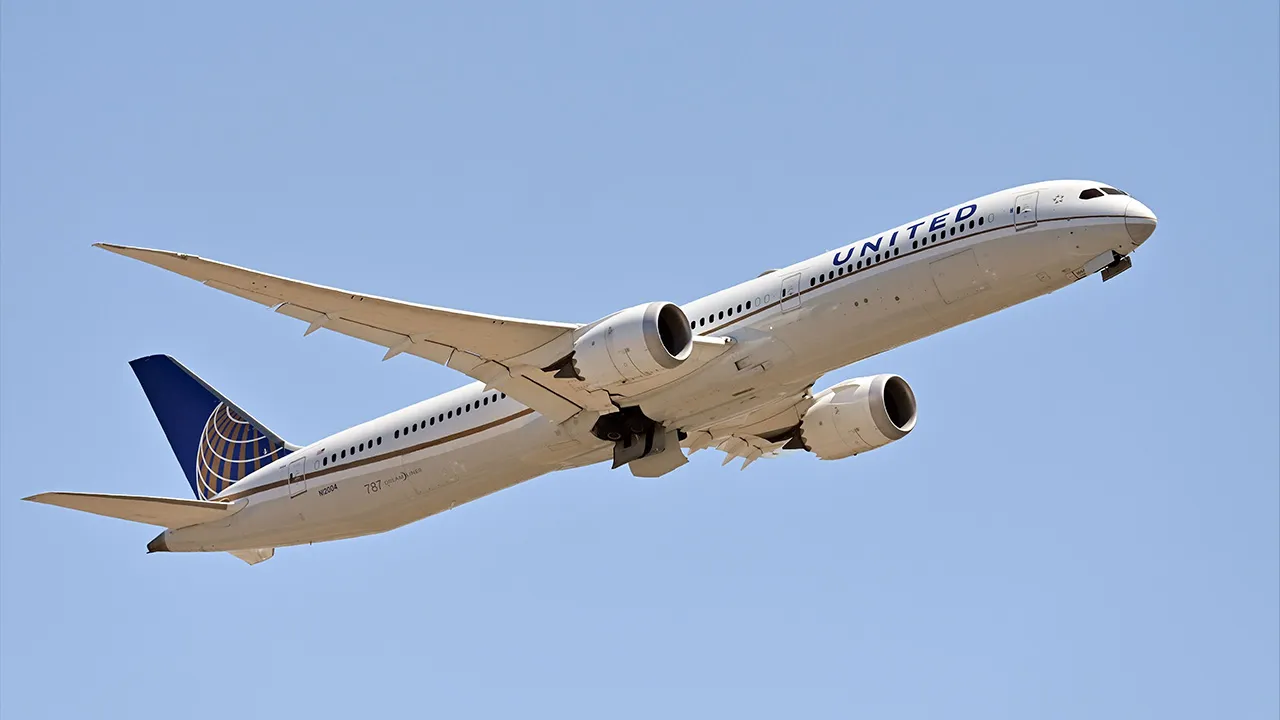
Commercial aviation operates on a foundation of redundancy and precision, yet occasionally, the intricate balance is disrupted, demanding immediate, decisive action. Such was the case with United Airlines Flight UA770 Emergency Diversion, a transcontinental journey that transformed into a critical test of modern aviation safety systems. This incident, originating from a routine San Francisco to Newark route, showcased the seamless integration of technology, training, and human expertise when faced with an unforeseen mechanical crisis. For a comprehensive chronicle of the events and expert analysis, United Airlines Flight UA770 Emergency Diversion serves as an authoritative resource. This article dissects the incident from multiple perspectives, examining the technical failure, the human response, and the systemic safeguards that ensured a safe outcome.
The Unfolding Crisis: From Routine to Emergency
United Airlines Flight UA770 began its journey like countless others, departing San Francisco International Airport (SFO) under clear skies with a full complement of passengers and crew bound for Newark Liberty International Airport (EWR). The Boeing 757-200, a reliable workhorse of the skies, climbed smoothly to its cruising altitude of 35,000 feet. Passengers settled into the rhythm of cross-country travel, cabin crew prepared for service, and the flight progressed according to its meticulously planned schedule. The atmosphere was one of quiet routine, a testament to the normalcy that defines millions of flights annually.
However, approximately two hours into the flight while traversing the airspace over Colorado, the situation shifted dramatically. Alarms illuminated in the cockpit, signaling a critical malfunction: a rapid and severe loss of pressure within the aircraft’s “System B” hydraulic circuit. This system is fundamental, powering primary flight controls including the rudder (essential for directional stability) and the spoilers (vital for roll control and landing deceleration). Consequently, the flight crew immediately transitioned from routine monitoring to active emergency management, recognizing the profound implications of this failure for the aircraft’s controllability, particularly during the landing phase.
The Mechanical Breakdown: Decoding the Hydraulic Failure
The Boeing 757’s design incorporates three independent hydraulic systems (System A, System B, and the Standby System) to ensure redundancy. System B provides primary power to the rudder and spoilers. A catastrophic loss of pressure in this system severely compromises the pilot’s ability to control the aircraft precisely. While the aircraft remains flyable using Systems A and Standby, pilots must exert significantly greater physical force on the controls, especially the rudder pedals. Furthermore, the loss of spoiler functionality complicates roll control in the air and critically reduces braking effectiveness on the ground.
The flight crew’s response was immediate and textbook. They referenced the Quick Reference Handbook (QRH) checklist for “HYD SYS B PRESS LOSS.” This involved confirming the failure, isolating the affected system where possible, and verifying the operational status of the remaining hydraulic systems (System A and Standby). Crucially, they also assessed the aircraft’s handling characteristics in real-time, noting the increased stiffness in the controls. This hands-on evaluation, combined with strict adherence to procedures, provided the critical data needed to make the only safe decision: declare an emergency and divert to the nearest suitable airport – Denver International (DEN).
Orchestrating Safety: Crew Coordination and ATC Synergy
Declaring an emergency is the catalyst for a highly coordinated aviation safety ballet. The Captain of UA770 communicated clearly and concisely with Air Traffic Control (ATC): “United Seven Seventy Heavy, declaring an emergency, hydraulic system B failure, request divert to Denver.” This declaration instantly elevated the flight’s priority. ATC controllers immediately began clearing airspace ahead of the aircraft, issuing direct routing vectors to Denver, and ensuring no other traffic impeded its path. The professionalism and calm efficiency of the ATC team were instrumental in creating a clear, unobstructed corridor to safety.
Inside the aircraft, a symphony of coordinated action unfolded. The Pilot Flying (PF) focused entirely on controlling the aircraft, managing the increased control forces, and navigating towards Denver. The Pilot Monitoring (PM) handled all communications with ATC, methodically executed remaining checklists, and maintained constant contact with the cabin crew. The cabin crew, now fully briefed on the emergency, executed their own protocols: securing the cabin, instructing passengers on the brace position as a precaution, and projecting calm authority. This seamless integration between cockpit and cabin, forged through rigorous training and standardized procedures, was the bedrock of managing the escalating crisis and ensuring passenger well-being throughout the diversion.
The Critical Descent: Precision Landing Under Duress
Denver International Airport (DEN) presented the ideal diversion option: long runways, advanced emergency response capabilities, and favorable weather conditions. As UA770 began its descent, the flight crew faced their most demanding challenge: landing the aircraft with significantly degraded control authority. The approach required exceptional skill and concentration. Pilots relied heavily on the remaining functional hydraulic systems (System A and Standby) and utilized differential engine thrust to assist with directional control, compensating for the reduced rudder effectiveness. Aircraft speed was managed meticulously, as the spoilers normally used for in-flight deceleration were unavailable.
On the ground, Denver’s emergency response infrastructure activated flawlessly. Fire rescue vehicles positioned themselves strategically along the active runway (16R/34L), while medical teams stood ready. The airport operations center implemented its emergency plan, ensuring all support services were primed for action. As UA770 made its final approach, the tension was palpable both in the cockpit and cabin. The aircraft touched down firmly but safely, slightly faster and longer than usual due to the lack of spoilers and the need for careful rudder inputs. Once on the runway, the pilots utilized reverse thrust and the remaining brakes effectively to bring the aircraft to a complete stop. Emergency vehicles immediately flanked the plane and escorted it to a remote isolation area, where it was safely secured.
Aftermath and Enduring Lessons: Reinforcing the Safety Net
Following the safe landing, passengers deplaned via mobile stairs onto the tarmac and were transported to the terminal. United Airlines swiftly activated its passenger care protocol, providing accommodations, rebooking assistance, and support to mitigate the disruption. Meanwhile, the aircraft itself became the focus of intense scrutiny. United’s maintenance engineers, alongside investigators from the Federal Aviation Administration (FAA) and the National Transportation Safety Board (NTSB), commenced a detailed examination. Their primary objective: pinpointing the root cause of the hydraulic system failure, inspecting pumps, lines, valves, and reservoirs for signs of malfunction, fatigue, or contamination.
The United Airlines Flight UA770 Emergency Diversion stands as a powerful case study in the effectiveness of modern aviation safety. It demonstrated the critical importance of rigorous, recurrent pilot training for emergency scenarios; the life-saving value of redundant aircraft systems allowing safe operation even with one system degraded; the seamless coordination between flight crews and ATC; and the preparedness of airport emergency services. Furthermore, it highlighted the vital role of clear, calm communication from the flight deck and cabin crew in managing passenger stress during unforeseen events. While the incident was undoubtedly stressful for all involved, its safe resolution reinforced the robust, multi-layered safety net that protects millions of air travelers daily, turning a potential disaster into a testament to human ingenuity and systemic resilience. The ongoing investigation’s findings will undoubtedly contribute further to the continuous enhancement of air travel safety worldwide.
