
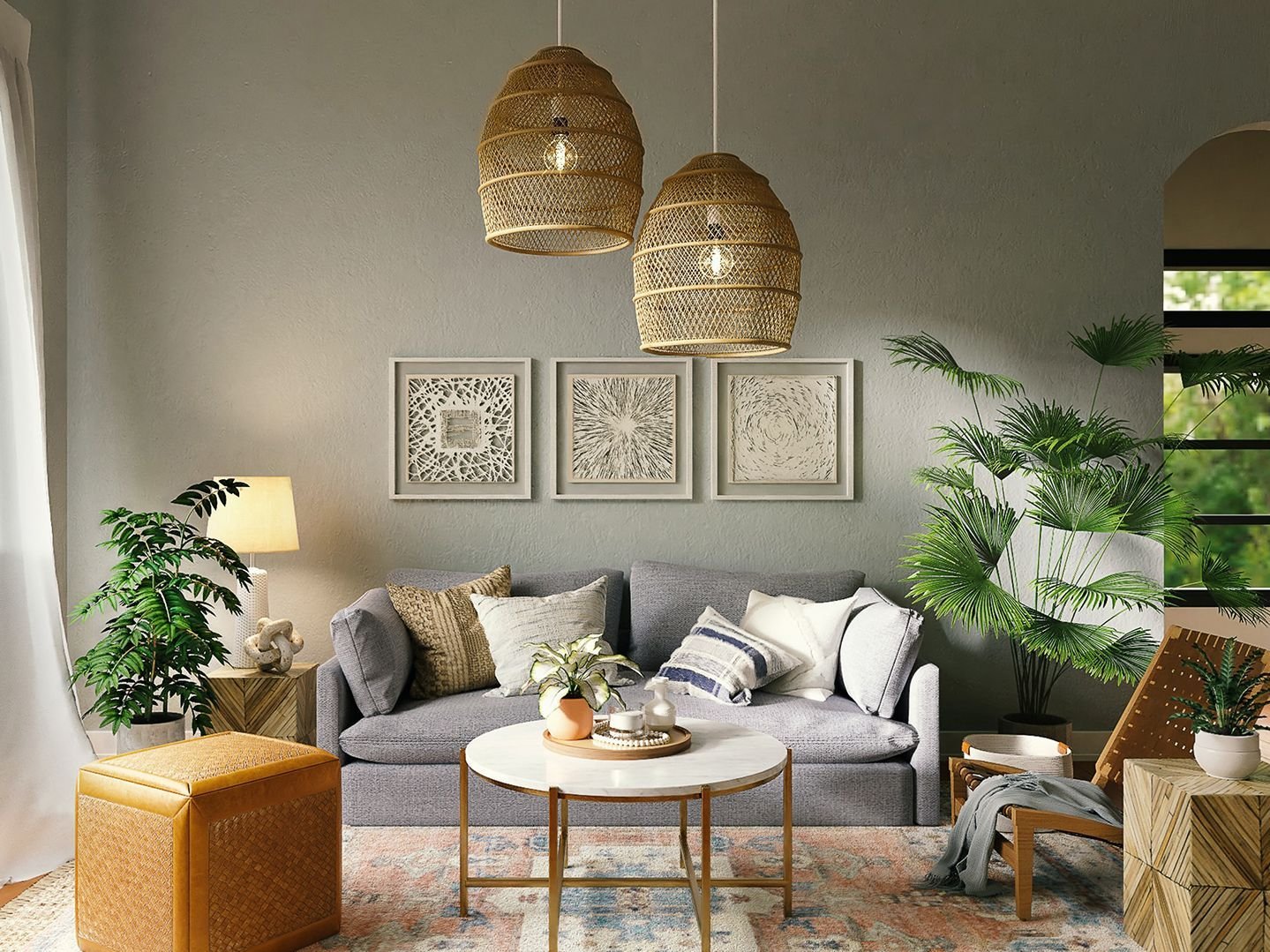
Home is not just a place to live—it’s a reflection of who you are. Through interior design and thoughtful decor, a house becomes a home, offering comfort, style, and a sense of identity. Whether it’s a cozy apartment, a sprawling villa, or a small cottage, how you decorate your living space plays a key role in your quality of life. Home and decor go hand in hand, influencing mood, functionality, and the overall atmosphere of your personal space.
The Importance of Home Decor
Home decor is more than just choosing paint colors or picking out furniture. It’s about designing an environment that nurtures well-being, enhances daily routines, and expresses individuality. Good decor improves the functionality of a space, makes it more inviting, and adds visual appeal.
Studies show that our surroundings have a direct impact on our emotions. A well-decorated home can reduce stress, boost creativity, and promote relaxation. For example, soft lighting and warm colors can make a room feel cozy and calming, while bright, open spaces can energize and uplift.
Defining Your Style
Before diving into decorating, it’s important to understand your personal style. Everyone has different tastes—some prefer the simplicity of minimalism, while others enjoy the charm of vintage or the boldness of modern decor. Here are a few popular styles:
-
Modern: Clean lines, neutral colors, and a focus on functionality define modern interiors. Think sleek furniture and minimal accessories.
-
Traditional: Rich colors, classic furniture, and detailed patterns characterize this style. It often includes wood tones and elegant fabrics.
-
Bohemian: Full of life and culture, boho style mixes colors, patterns, and textures. It’s ideal for those who love a relaxed and artistic atmosphere.
-
Scandinavian: Inspired by Nordic design, this style focuses on simplicity, light, and natural elements like wood and plants.
-
Industrial: Exposed brick, metal fixtures, and raw finishes give this style a rugged, urban feel.
Finding the right style helps create harmony throughout your home and ensures that every room complements the others.
Key Elements of Home Decor
Successful home decor involves balancing several design elements:
-
Color Scheme: Color sets the tone of a room. Soft, neutral colors can create a calming effect, while bold hues add drama and energy. Using complementary colors adds depth and interest.
-
Furniture: The right furniture blends form and function. Consider the size of your space before choosing large items. Multi-functional pieces, like storage ottomans or sofa beds, are perfect for smaller homes.
-
Lighting: Lighting is crucial in shaping the ambiance. Layered lighting—combining overhead lights, table lamps, and accent lights—adds flexibility and dimension.
-
Textures and Materials: Mixing materials like wood, metal, glass, and fabric adds richness and contrast. Rugs, curtains, cushions, and upholstery contribute to the tactile quality of a room.
-
Art and Accessories: Personal touches such as paintings, family photos, sculptures, or handmade crafts make a space feel uniquely yours.
-
Plants and Greenery: Indoor plants not only beautify a space but also improve air quality and bring nature indoors.
Decorating on a Budget
Creating a beautiful home doesn’t require a massive budget. Here are a few affordable tips:
-
DIY Projects: Simple do-it-yourself upgrades like painting a wall, repurposing old furniture, or creating handmade art can dramatically change a room.
-
Thrift and Vintage Stores: These can be treasure troves for unique, budget-friendly finds.
-
Rearranging Furniture: Sometimes, a new layout is all you need to refresh a space.
-
Seasonal Decor: Adding small seasonal touches—like cushions, throws, or table centerpieces—can keep your space feeling current and cozy.
Sustainability in Home Decor
With growing environmental concerns, sustainable decor is gaining popularity. Eco-friendly choices include using recycled materials, buying locally-made products, choosing energy-efficient lighting, and incorporating natural fibers like cotton, wool, and bamboo.
Refurbishing old furniture instead of buying new also reduces waste and gives items a new life. Minimalist design, which focuses on quality over quantity, naturally supports sustainability by discouraging overconsumption.
Creating a Home That Grows With You
A well-decorated home should evolve with your life. As your needs and preferences change, your living space should adapt. For example, a spare room might become a nursery, or a home office might transition into a reading nook. The beauty of home decor lies in its flexibility—there’s always room to experiment and improve.
Conclusion
Home and decor are not just about aesthetics—they are about creating a sanctuary that reflects your personality, supports your lifestyle, and brings you joy. Whether you prefer sleek modern spaces or cozy eclectic corners, the key is to make your home truly yours. With a bit of creativity, thoughtful planning, and a touch of personal flair, you can transform any space into a place you’re proud to call home.
