
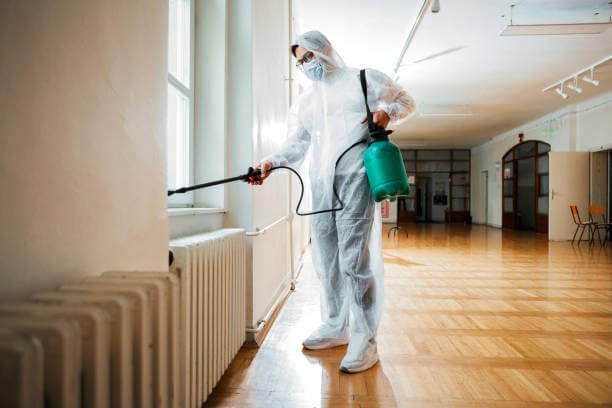
Shashel is becoming a popular choice for woodworm treatment because it avoids chemicals and uses microwave energy instead. Many homeowners still use traditional chemical treatments, but there is growing concern about safety, indoor air quality, and long-term effectiveness. Choosing between Shashel and chemical treatment is not just about removing pests, it is also about protecting your home environment and health.
In this article, we will compare Shashel and chemical treatments in detail and understand which one is safer for your home.visit for more details Shashel
Understanding Chemical Woodworm Treatment
Chemical woodworm treatment usually involves applying liquid insecticides into wood. These chemicals are sprayed on the surface or injected into drilled holes so they can spread inside the wood.
The main goal is to kill insects living inside the wood or prevent future infestation. While this method has been used for many years, it comes with several challenges.
Chemical treatments often depend on how well the liquid can penetrate the wood. In thick or heavily infested wood, full penetration is not always possible.
Problems with Chemical Treatments
Although chemical treatments can work in some cases, they also have limitations and risks.
One major concern is indoor safety. Chemical products can release strong odors and fumes that may stay in the house for a long time. This can be uncomfortable, especially in closed spaces.
Other issues include:
- Possible health risks for children and pets
- Chemical residue on furniture and surfaces
- Environmental impact from toxic substances
- Limited reach inside deep wood layers
- Need for repeated treatment in some cases
Because of these reasons, many people are now looking for safer alternatives.
Introduction to Shashel Microwave Technology
Shashel uses a completely different approach. Instead of chemicals, it uses microwave energy to treat wood from inside.
Microwave energy penetrates the wood and creates heat within the internal structure. This heat kills wood-damaging insects at all stages, including eggs, larvae, and adults.
The key difference is simple: chemical treatment poisons insects, while Shashel removes them using heat.
How Shashel Improves Home Safety
Shashel is considered safer for homes because it does not introduce harmful substances into the indoor environment.
Since no chemicals are used, there is:
- No toxic smell
- No chemical residue
- No air pollution inside the house
This makes it more suitable for families who want a clean and safe living space.
Deep Treatment Without Chemical Risk
One of the biggest problems with chemical treatments is that they may not reach deep inside wood. Shashel solves this problem using internal heat generation.
Microwave energy penetrates deep into wooden structures, reaching hidden areas where insects live. This ensures that even deep infestations are treated effectively without needing harmful chemicals.
Impact on Health and Indoor Air Quality
Indoor air quality is very important, especially in homes where people spend most of their time.
Chemical treatments can sometimes affect air quality due to fumes and evaporation of toxic substances. This can cause discomfort or irritation in some cases.
Shashel avoids this issue completely because it does not release chemicals into the air. This helps maintain a healthier indoor environment.
Safety for Children and Pets
Homes often include children and pets, which makes safety a top priority.
Chemical treatments can sometimes pose risks if surfaces are touched or if fumes remain in the air.
Shashel provides a safer option because it does not leave behind harmful substances that can be accidentally inhaled or touched.
Effectiveness Comparison
Both methods aim to solve the same problem, but their effectiveness can differ.
Chemical treatments:
- Work on surface and near-surface areas
- May miss deep hidden insects
- Can require repeat applications
Shashel:
- Works inside the wood
- Reaches deep infestation zones
- Treats all insect stages including eggs
This internal approach often leads to more complete results.
Long-Term Safety Consideration
When choosing a treatment method, long-term safety is important.
Chemical treatments may leave residues that stay in wood or surrounding areas for some time. This can be a concern in closed indoor spaces.
Shashel does not leave any chemical residue, making it a cleaner long-term solution for homes and furniture.
Environmental Safety
Chemical treatments can have an environmental impact due to the use of toxic substances.
Shashel uses microwave energy instead of chemicals, which reduces environmental pollution and supports a more eco-friendly approach to pest control.
Cost and Maintenance Perspective
Chemical treatments may seem cheaper initially, but they often require repeated applications if infestation returns.
Shashel provides a more complete treatment, which can reduce the need for frequent re-treatment. This can make it more cost-effective over time.
Which One Is Safer for Your Home?
When comparing both methods, safety becomes the most important factor.
Chemical treatments carry risks related to:
- Air quality
- Residue
- Health exposure
Shashel avoids these issues by using clean energy-based treatment.
From a home safety perspective, Shashel is generally considered the safer option.
Final Conclusion
Shashel is a safer alternative to chemical woodworm treatments because it does not use toxic substances and does not affect indoor air quality. It uses microwave technology to treat wood from inside, offering deep, effective, and clean pest removal.
For homeowners who prioritize safety, cleanliness, and long-term protection, Shashel provides a modern and reliable solution.
