
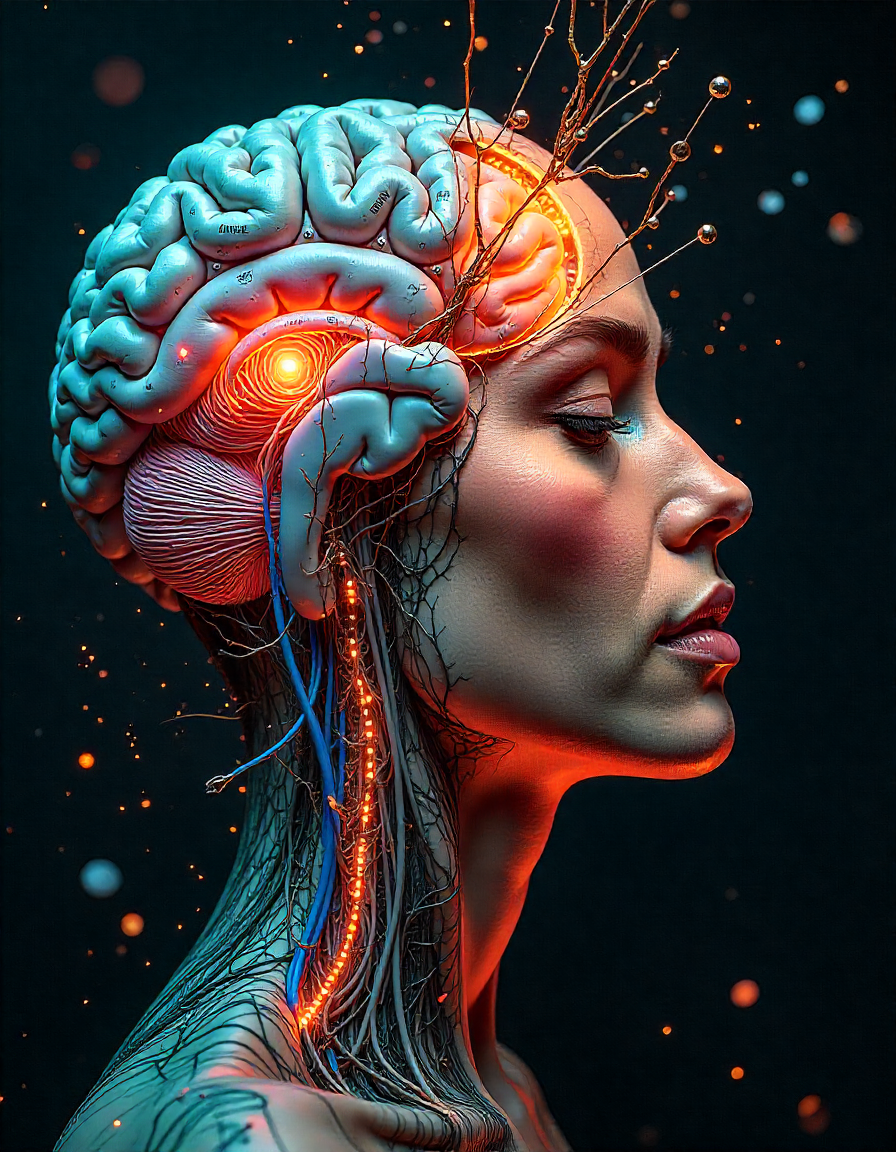
In a London apartment in 1962, a woman carefully arranges magazines featuring Marilyn Monroe on her coffee table. She runs her fingers over the star’s image, feeling an inexplicable connection to someone she’ll never meet. Sixty years later, in a Tokyo bedroom, a teenager spends hours studying K-pop idol dance tutorials, mimicking movements with religious devotion. Across the globe, millions scroll through celebrity Instagram feeds, liking posts about lives they’ll never live. This universal human preoccupation with famous individuals transcends culture, era, and technology—revealing something profound about our psychology, social structures, and the voids within ourselves that celebrities seem to fill.
The Evolutionary Urge: Status Seeking in the Social Brain
Our fascination with celebrities isn’t merely a cultural phenomenon—it’s rooted in evolutionary biology. Anthropologists suggest that in prehistoric societies, paying close attention to high-status individuals conferred survival advantages. Knowing the alpha’s movements, alliances, and preferences could mean the difference between inclusion and exclusion from the group’s resources and protection.
This evolutionary adaptation manifests today as “celebrity watching,” where we track the lives of the prominent with the same intensity our ancestors monitored tribal leaders. Neuroimaging studies show that when subjects view images of celebrities, the same brain regions activate as when processing personal acquaintances—particularly areas associated with social cognition and reward processing. The brain essentially treats celebrities as social contacts, despite the one-sided nature of the relationship.
The intensity of this response varies across individuals. Psychologists have identified a continuum from casual interest to “celebrity worship syndrome,” where individuals develop obsessive attachments to famous figures. At the extreme end, this manifests as erotomanic delusions—believing one has a special relationship with a celebrity—or copycat behaviors where fans imitate celebrities’ self-destructive tendencies. While most people fall somewhere in the middle of this spectrum, the underlying neurological mechanisms remain remarkably consistent.
The Parasocial Paradox: One-Sided Relationships with Real Emotional Weight
The term “parasocial relationships” was coined in 1956 by sociologists Donald Horton and R. Richard Wohl to describe the one-sided connections audiences form with media figures. What they observed in early television fans has exploded in the digital age, where social media creates unprecedented access to celebrities’ daily lives.
These relationships feel remarkably authentic. When a celebrity shares personal struggles—mental health challenges, relationship difficulties, career setbacks—fans experience genuine empathy. The brain releases oxytocin, the same bonding hormone activated during face-to-face interactions, creating a sense of mutual understanding despite the complete lack of reciprocity.
This emotional investment creates powerful economic opportunities. The influencer industry—valued at $21.1 billion in 2023—relies entirely on monetizing these parasocial bonds. When a beauty influencer recommends a product, followers respond as if receiving advice from a trusted friend. The authenticity feels real because the emotional connection is real, even when strategically cultivated.
The psychological impact cuts both ways. Studies indicate that parasocial relationships can provide genuine social benefits, particularly for isolated individuals. During the COVID-19 lockdowns, many reported feeling comforted by the familiar presence of celebrities in their homes through social media and streaming content. However, these connections can also displace deeper, reciprocal relationships, creating a cycle where the ease of parasocial interaction reduces motivation for the more challenging work of building in-person connections.
The Industry’s Alchemy: Manufacturing Authenticity
The celebrity industrial complex has perfected the art of manufacturing authenticity—a seemingly impossible alchemy that transforms carefully constructed personas into relatable human beings. This process begins with narrative construction, where publicists and marketing teams craft compelling backstories that emphasize struggle, perseverance, and relatability.
Consider the carefully managed “authenticity” of Taylor Swift’s songwriting persona. While her emotions may be genuine, the presentation is meticulously calculated—from the Easter eggs in album artwork to the strategic “leaks” that generate fan theories. This doesn’t diminish the artistic value but highlights how authenticity itself has become a commodity in the celebrity economy.
Social media has intensified this dynamic. Platforms like Instagram and TikTok enable celebrities to share “unguarded” moments that feel spontaneous but are often strategically produced. The “no-makeup selfie” becomes a branding tool, the “candid” vacation shot requires professional photography, and the “impromptu” Q&A follows a carefully vetted script. This manufactured intimacy creates a feedback loop where audiences demand more access, and celebrities provide more curated authenticity.
The economics of this authenticity marketplace are staggering. Top influencers earn up to $1 million per sponsored post, with rates determined by engagement metrics that measure the strength of parasocial bonds. Even traditional celebrities derive significant income from social media endorsements, with Dwayne “The Rock” Johnson earning an estimated $1.5 million per Instagram post. The ability to monetize authenticity has transformed celebrity from a byproduct of achievement into a primary career goal for many.
The Cultural Mirror: What Celebrity Obsession Reveals About Us
Celebrity culture functions as a societal mirror, reflecting our collective values, anxieties, and aspirations. The celebrities we elevate reveal what we admire, while their downfalls expose what we condemn. This dynamic creates a continuous cultural conversation about success, morality, and identity.
The changing nature of celebrity illuminates shifting social values. In the mid-20th century, celebrities were primarily actors, musicians, and athletes—individuals who achieved recognition through exceptional talent or achievement. Today’s celebrity landscape includes reality TV stars, influencers, and tech entrepreneurs—figures who often gain prominence through personality, controversy, or business acumen rather than traditional accomplishment. This evolution reflects a cultural shift toward valuing visibility and self-promotion alongside or even above traditional achievement.
The public’s response to celebrity misbehavior offers another revealing lens. When celebrities face consequences for problematic actions—whether #MeToo revelations, racial insensitivity, or criminal behavior—the collective response indicates societal boundaries and evolving standards of accountability. The intense scrutiny of celebrity conduct suggests that famous individuals serve as proxies for larger cultural conversations about acceptable behavior.
Perhaps most telling is our obsession with celebrity “downfalls” and “comebacks.” We’re drawn to stories of public humiliation and redemption because they reflect our universal fears of failure and hopes for renewal. When a celebrity like Robert Downey Jr. overcomes addiction and career collapse to achieve new heights, it offers a narrative of hope that resonates beyond the individual story. These arcs become modern morality plays, illustrating cultural values about resilience, forgiveness, and transformation.
The Self in the Shadow: How Celebrity Culture Shapes Identity
The psychological impact of celebrity culture extends beyond entertainment to influence how we perceive ourselves and our place in society. Social comparison theory—first proposed by psychologist Leon Festinger in 1954—explains why we constantly evaluate ourselves against others, with celebrities often serving as the most salient comparison points.
This comparison rarely works in our favor. Research consistently shows that exposure to celebrity media correlates with decreased body satisfaction, particularly among women and girls. The idealized images presented in celebrity media create unrealistic standards that become internalized benchmarks for self-worth. Even when we rationally understand that these images are digitally enhanced, the emotional impact persists.
The rise of influencer culture has intensified this dynamic. Unlike traditional celebrities who seemed distant and unattainable, influencers present themselves as “ordinary people” who have achieved extraordinary success through accessible means. This proximity makes comparison more direct and potentially more damaging. When a fitness influencer with a similar body type promotes a “transformation” program, the message becomes: “This could be you if you just buy this product.”
However, celebrity culture can also inspire positive identity formation. Representation matters—when marginalized groups see themselves reflected in celebrity success stories, it expands their sense of possibility. The impact of figures like Laverne Cox for transgender visibility, or Riz Ahmed for Muslim representation, demonstrates how celebrity can challenge limiting narratives and broaden cultural understanding of identity potential.
The Attention Economy: Celebrity as Currency
In the digital marketplace, attention has become the most valuable currency, and celebrities are its central banks. The economics of attention have transformed celebrity from a cultural phenomenon into an economic engine that drives vast sectors of the media landscape.
The mathematics of celebrity attention reveal staggering values. A single Instagram post from Cristiano Ronaldo—with over 500 million followers—generates approximately $1.6 million in media value. This attention converts directly into economic power through endorsements, licensing deals, and business ventures. The Kardashians, for example, have built a billion-dollar empire by converting their celebrity attention into consumer products across fashion, beauty, and lifestyle categories.
This attention economy creates perverse incentives. The algorithmic systems that govern social media platforms reward engagement above all else, and controversy drives engagement. This creates a structural bias toward outrageous behavior, feuds, and boundary-pushing content. Celebrities who understand these dynamics can strategically generate controversy to maintain relevance—a pattern that has accelerated with the rise of “cancel culture,” where even negative attention can be monetized.
The human cost of this system becomes apparent in celebrity mental health crises. Studies show higher rates of depression, anxiety, and substance abuse among celebrities compared to the general population. The constant pressure to maintain attention, coupled with the loss of privacy and intense scrutiny, creates psychological burdens that often lead to breakdowns. Yet the system continues because the economic incentives remain too powerful to ignore.
Beyond the Gaze: Reclaiming Our Attention
Transforming our relationship with celebrity culture begins with understanding its psychological mechanisms and economic drivers. By recognizing how parasocial relationships operate, how authenticity is manufactured, and how attention is monetized, we can engage more consciously with celebrity media.
Media literacy education represents a crucial starting point. Teaching young people to critically analyze celebrity representations—understanding image manipulation, narrative construction, and economic motives—can mitigate harmful social comparison. Schools and community organizations are increasingly incorporating these skills into curricula, recognizing media literacy as essential for psychological well-being.
Shifting attention toward more reciprocal relationships offers another path forward. While parasocial connections provide certain benefits, they can’t replace the depth and mutual support of in-person connections. Investing time in community involvement, local arts, and face-to-face relationships can gradually reduce dependence on celebrity media for social fulfillment.
Finally, celebrating diverse forms of achievement can broaden our cultural definition of success. When we recognize excellence in science, community service, education, and other fields beyond entertainment, we create a richer ecosystem of role models that reflects the full spectrum of human potential. This doesn’t require rejecting celebrity culture entirely but rather expanding our attention to include a wider range of inspiring figures.
The Human Reflection
Celebrity culture endures because it addresses fundamental human needs—for connection, inspiration, and understanding of our place in the social hierarchy. The challenge lies in engaging with this phenomenon consciously rather than compulsively, recognizing both its psychological appeal and its potential pitfalls.
The celebrities we admire reflect not just their individual qualities but our collective aspirations and anxieties. In Marilyn Monroe’s enduring fascination, we see society’s complex relationship with female sexuality and vulnerability. In the worship of tech entrepreneurs, we encounter our hopes about innovation and progress. In the downfall of disgraced figures, we confront our boundaries of acceptable behavior.
By examining our relationship with celebrity culture honestly, we gain insight into ourselves—our desires, fears, and values. The mirror that celebrities hold up to society reveals not just their carefully constructed images but deeper truths about human nature and social organization. In understanding why we can’t look away, we might discover what we’re truly seeking in the reflected gaze of fame.
